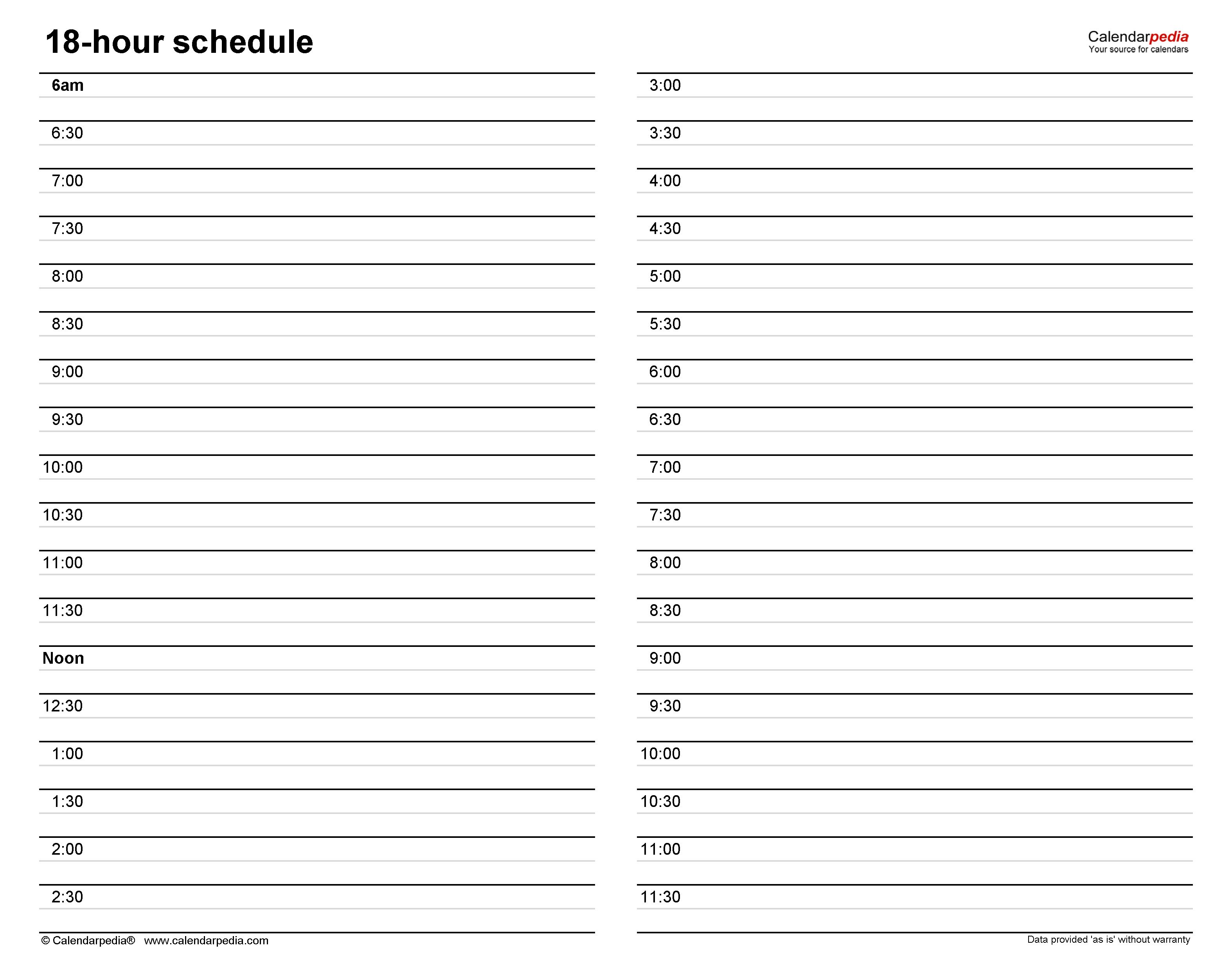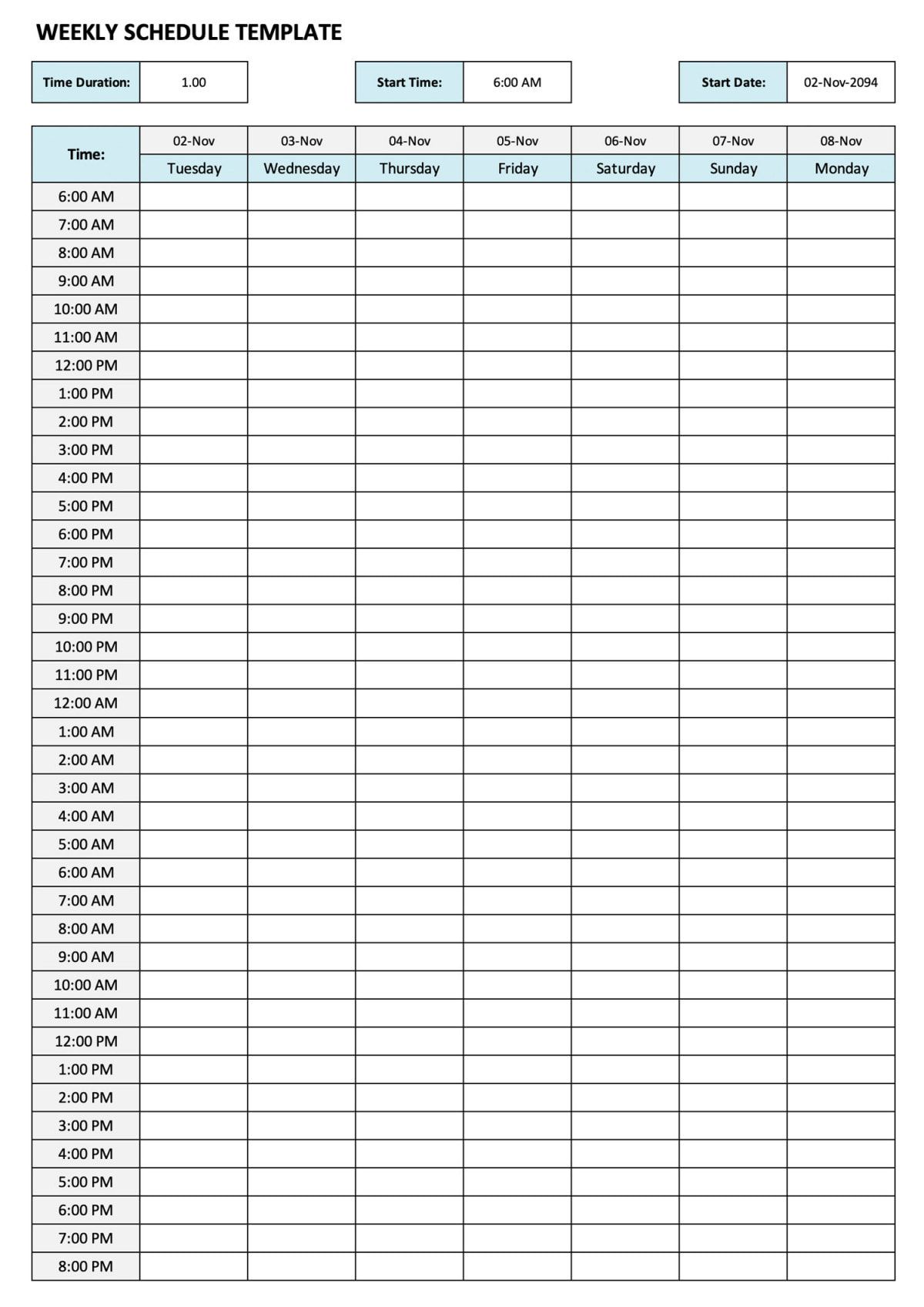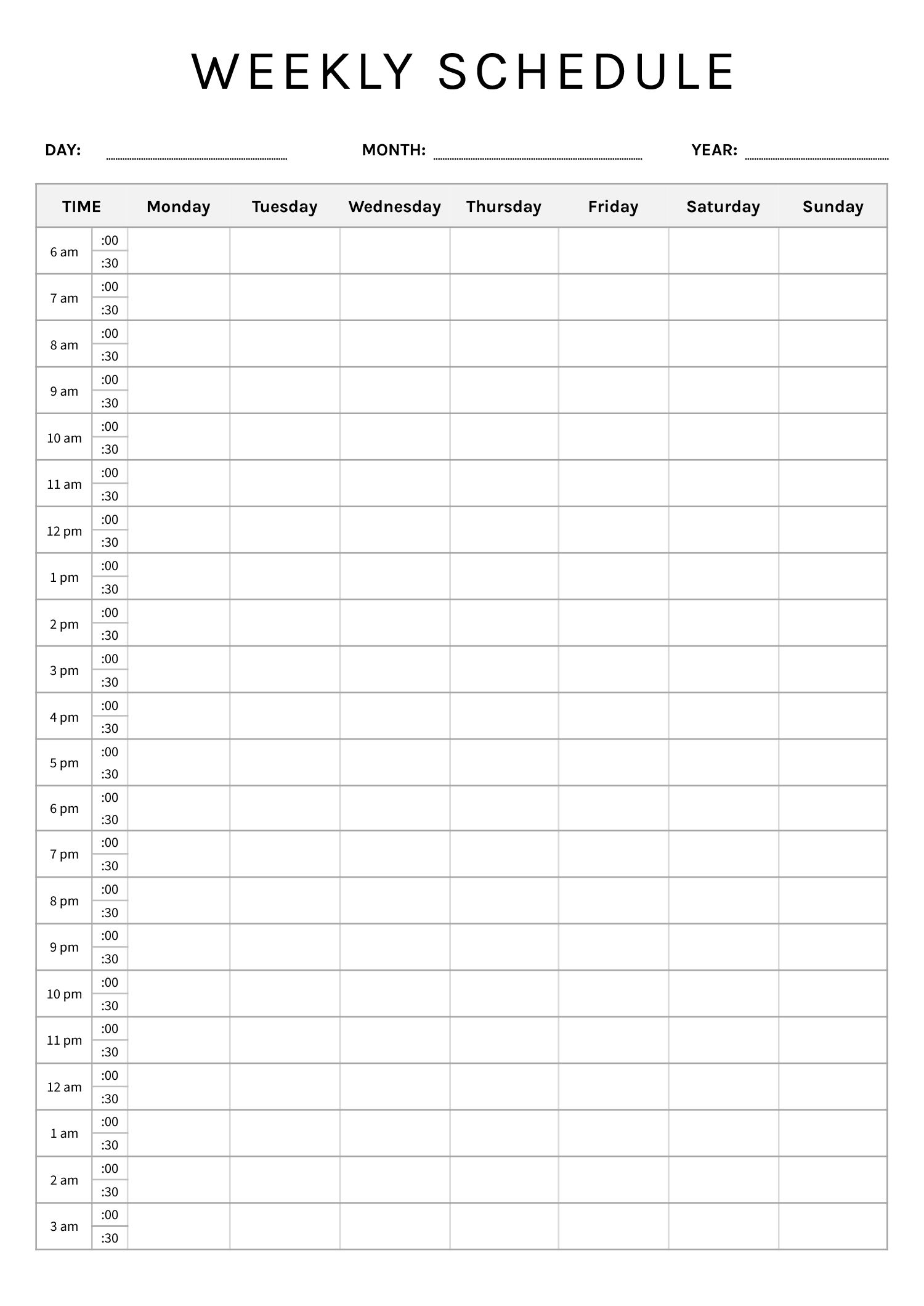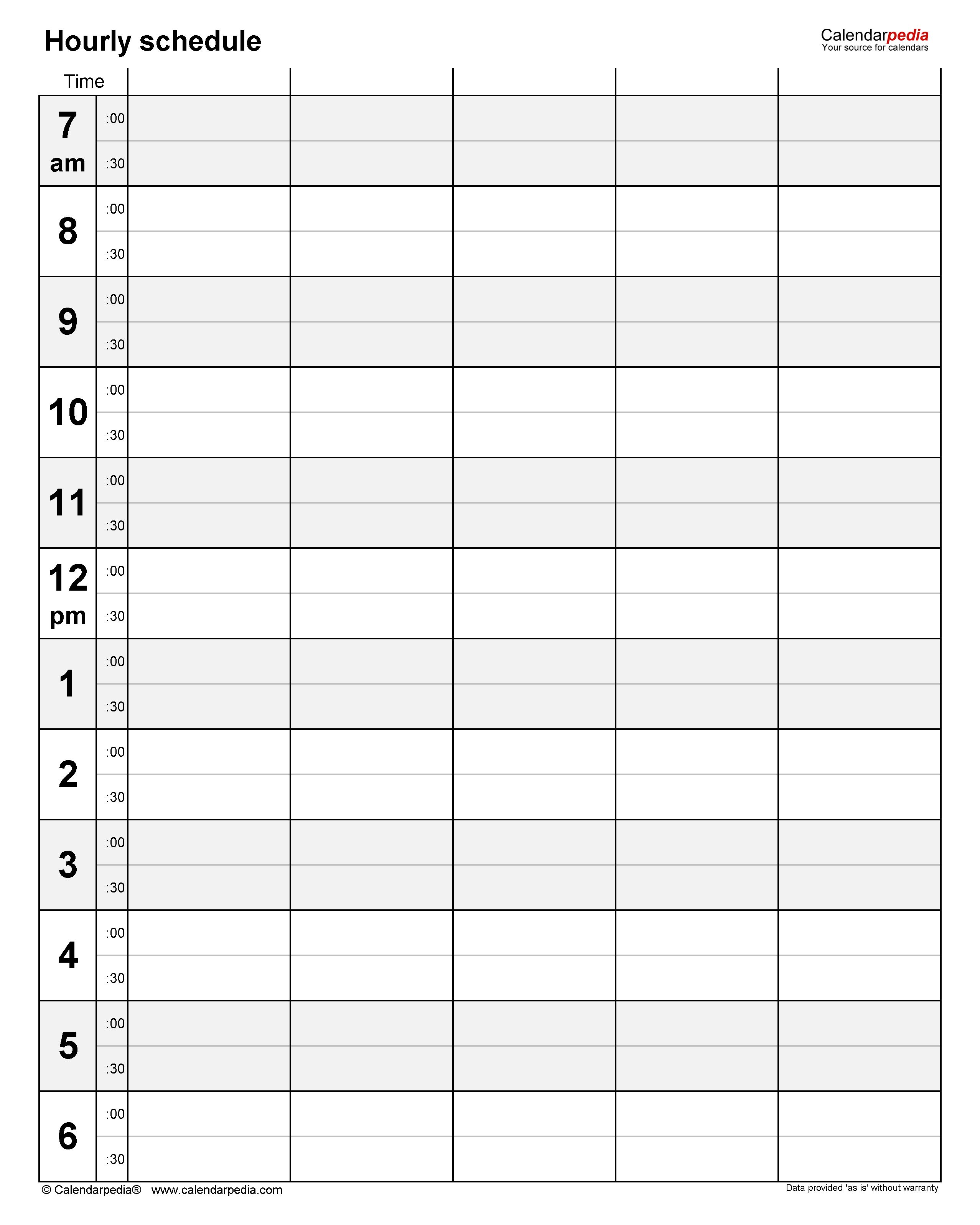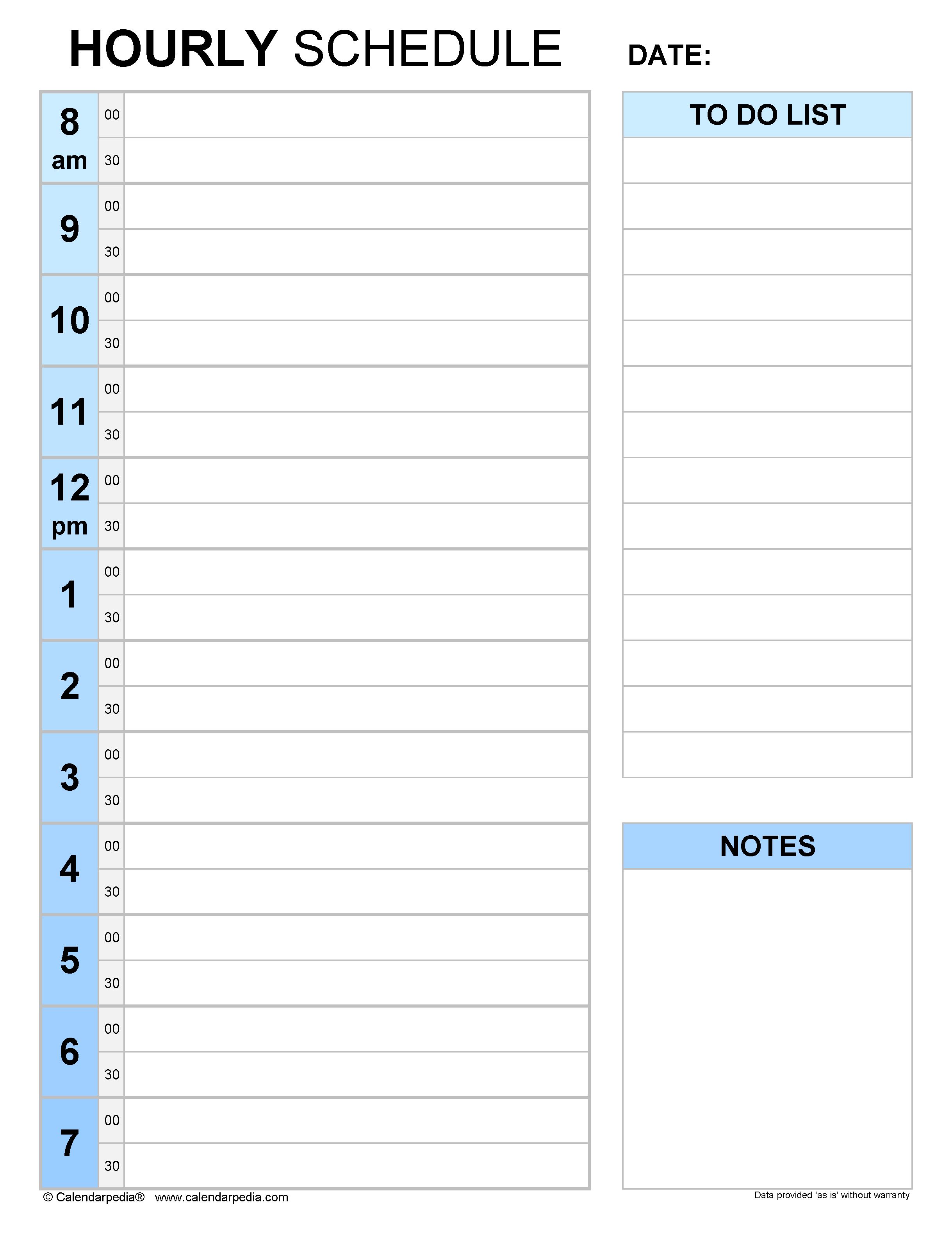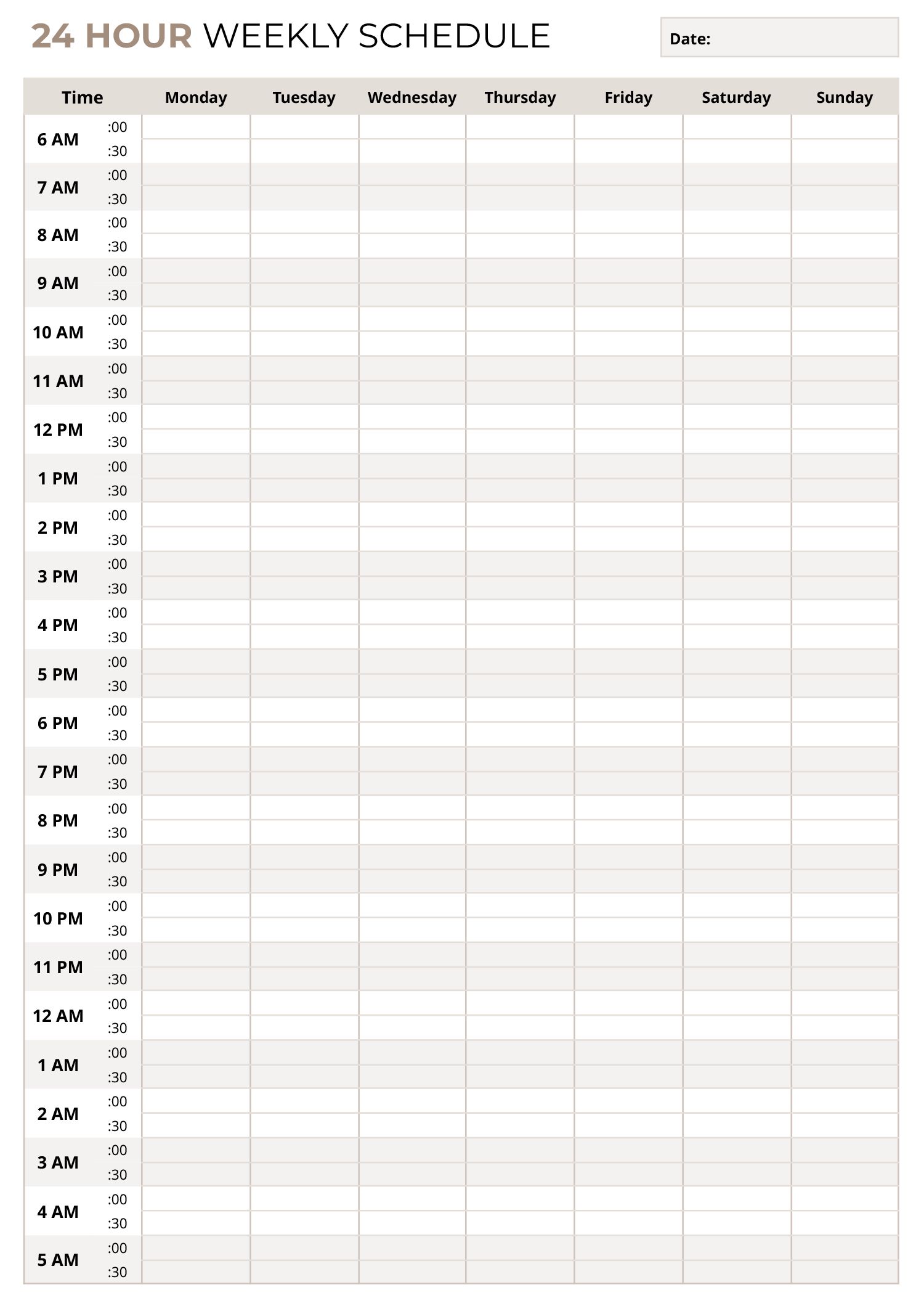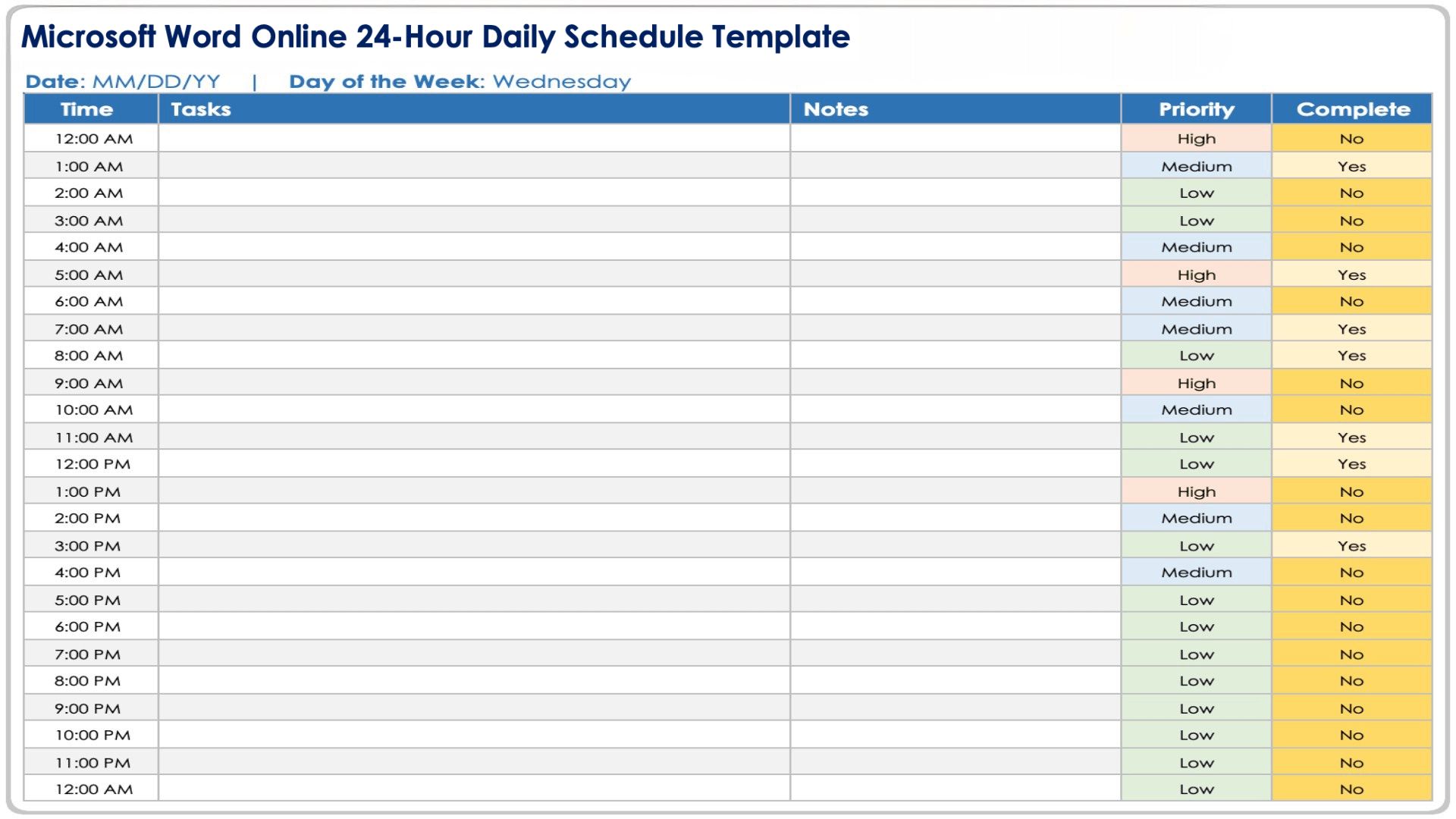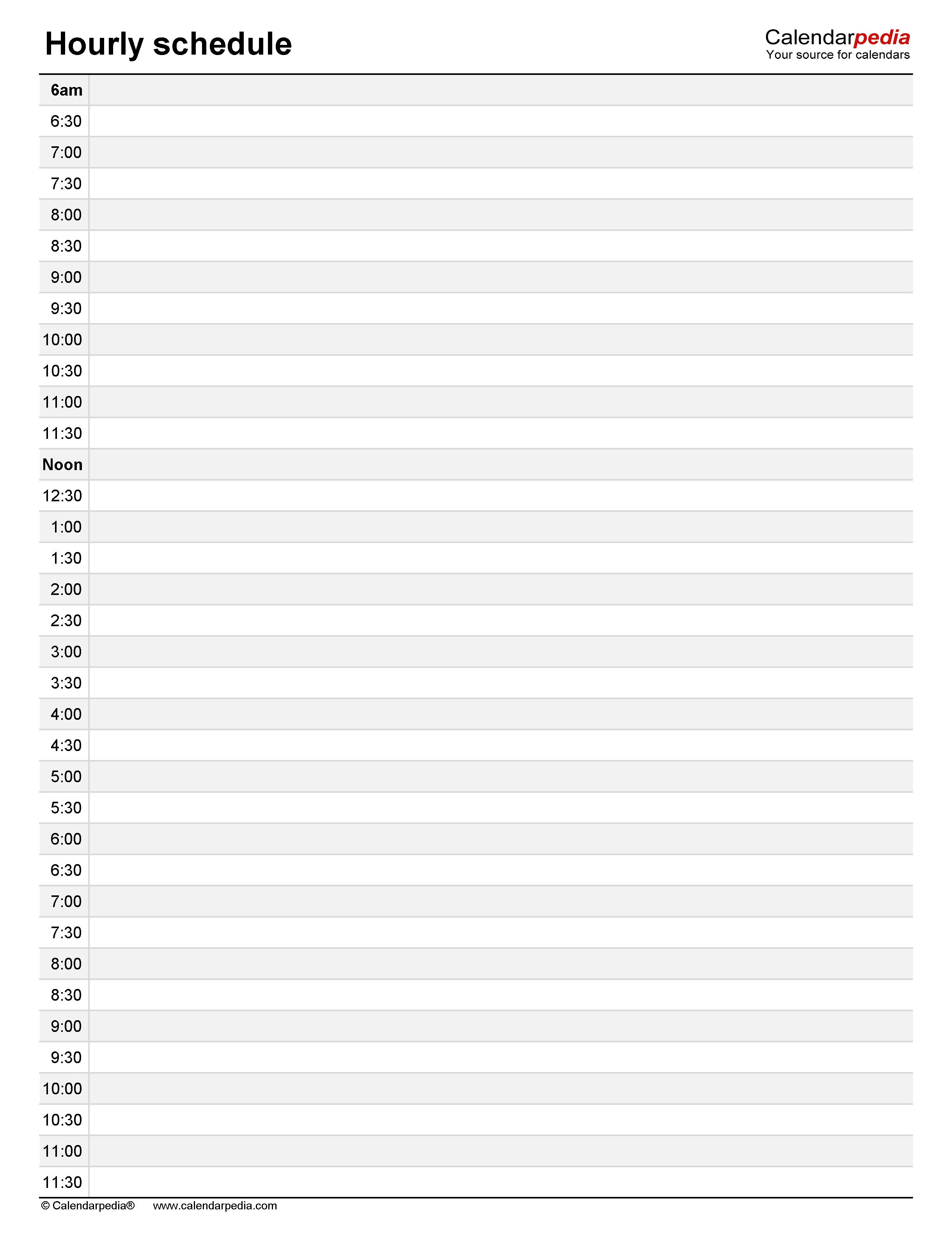
If you’ve ever found yourself staring at a blank screen, trying to map out your day, you’re not alone. I’ve been there too, juggling multiple tasks and deadlines, only to realize my time slipped away. That’s when I discovered the power of an hourly schedule template in Word. It’s not just about filling in time slots; it’s about creating a structure that works for you. Whether you’re a freelancer, student, or professional, a well-designed template can transform your productivity. I’ve tested several formats, and here’s what I’ve learned about making the most of this tool.
Why Use an Hourly Schedule Template in Word?
Word is a familiar tool for most of us, and its flexibility makes it ideal for creating personalized schedules. Unlike rigid apps, Word allows you to customize every detail—font sizes, colors, and even the layout. I’ve found that this level of control helps me focus on what matters. For instance, I color-code tasks based on priority: red for urgent, yellow for important but not urgent, and green for low-priority. This visual system keeps me on track without overwhelming me.
Key Features to Include in Your Template
Not all templates are created equal. Here are the essential elements I’ve found most effective:
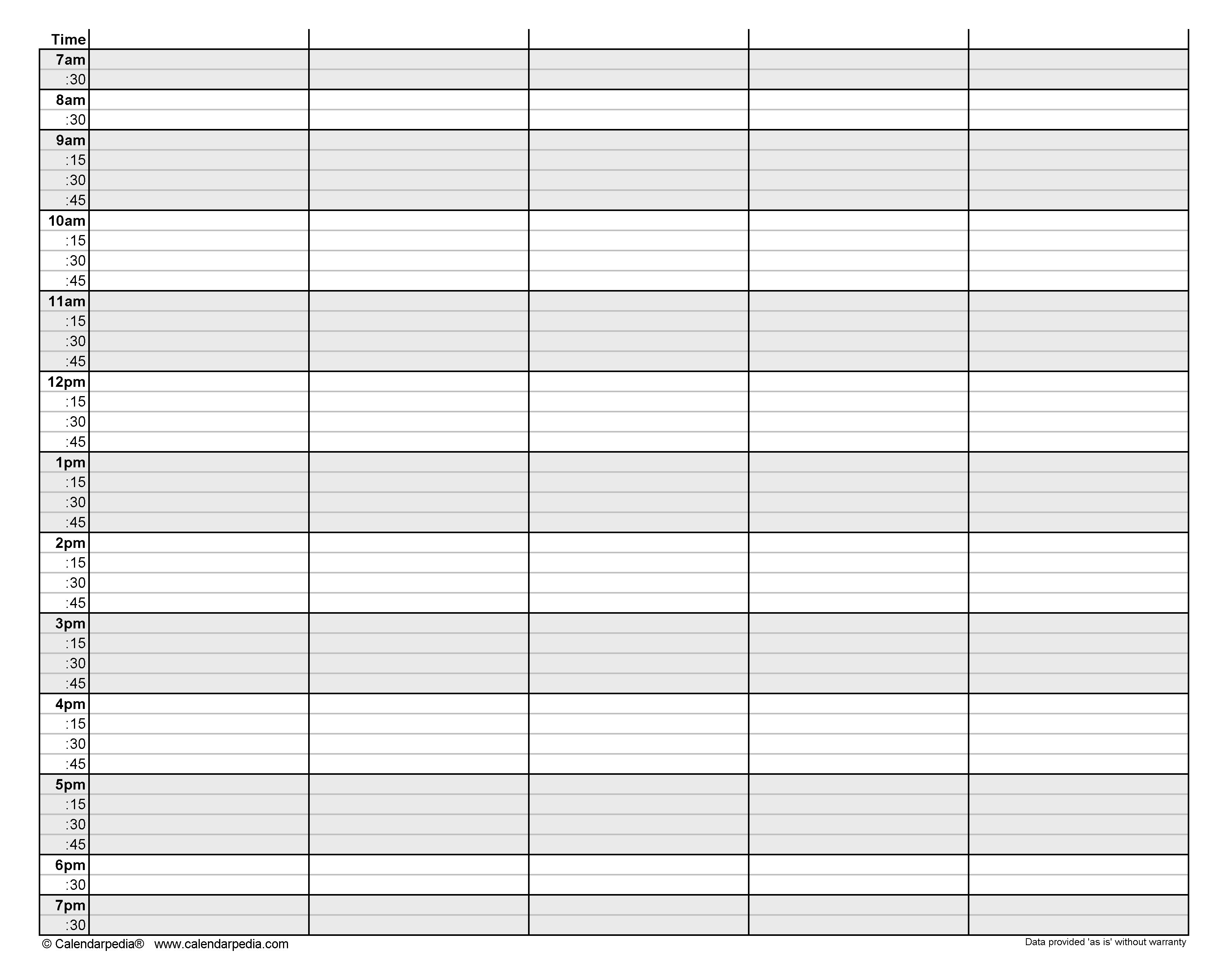
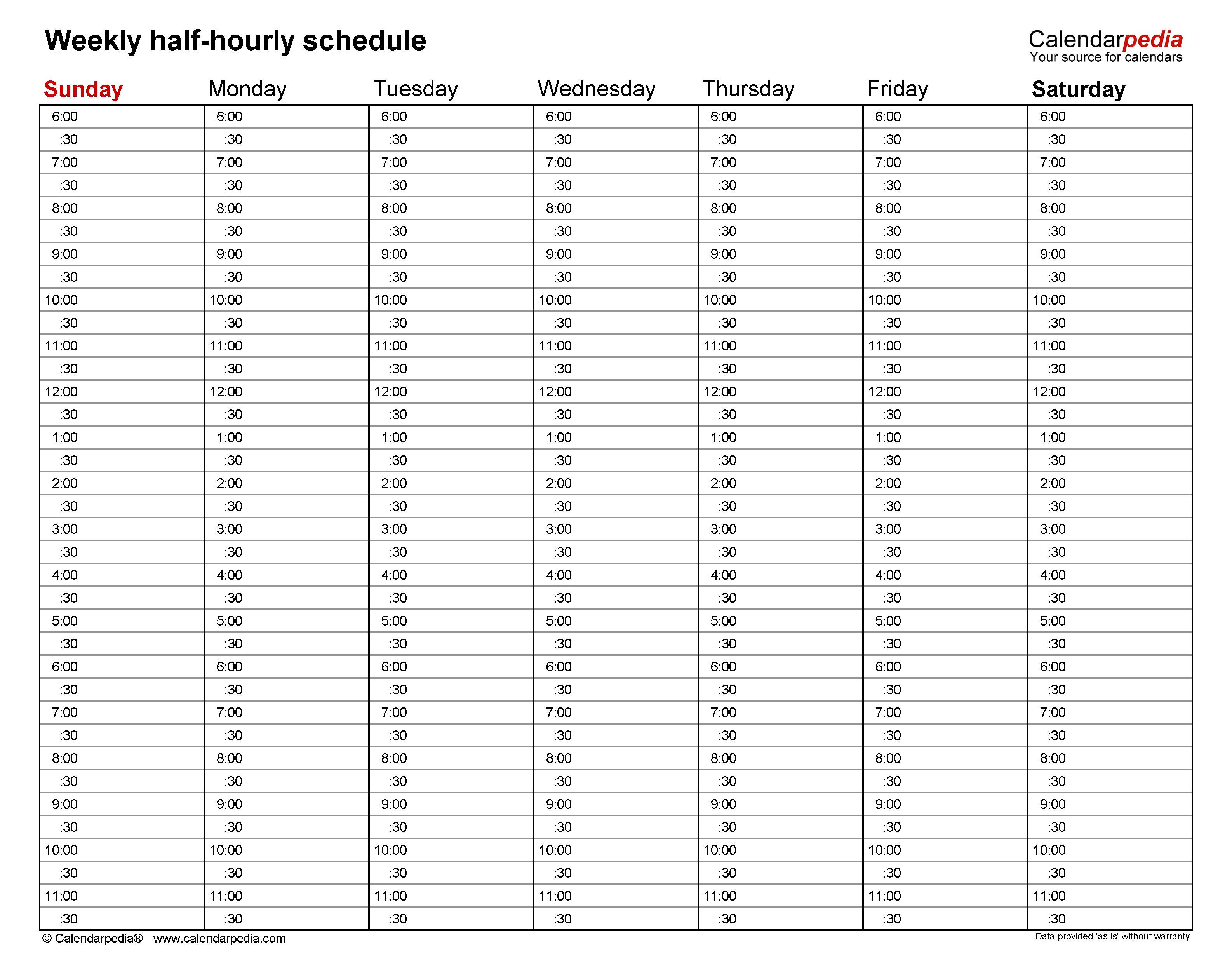
- Time Blocks: Break your day into 15-minute or 30-minute increments for precision.
- Task Descriptions: Keep them brief but clear—“Client Meeting” instead of “Work.”
- Notes Section: Add a column for reminders or reflections, like “Follow up on email.”
- Flexibility: Include buffer time between tasks to account for unexpected delays.
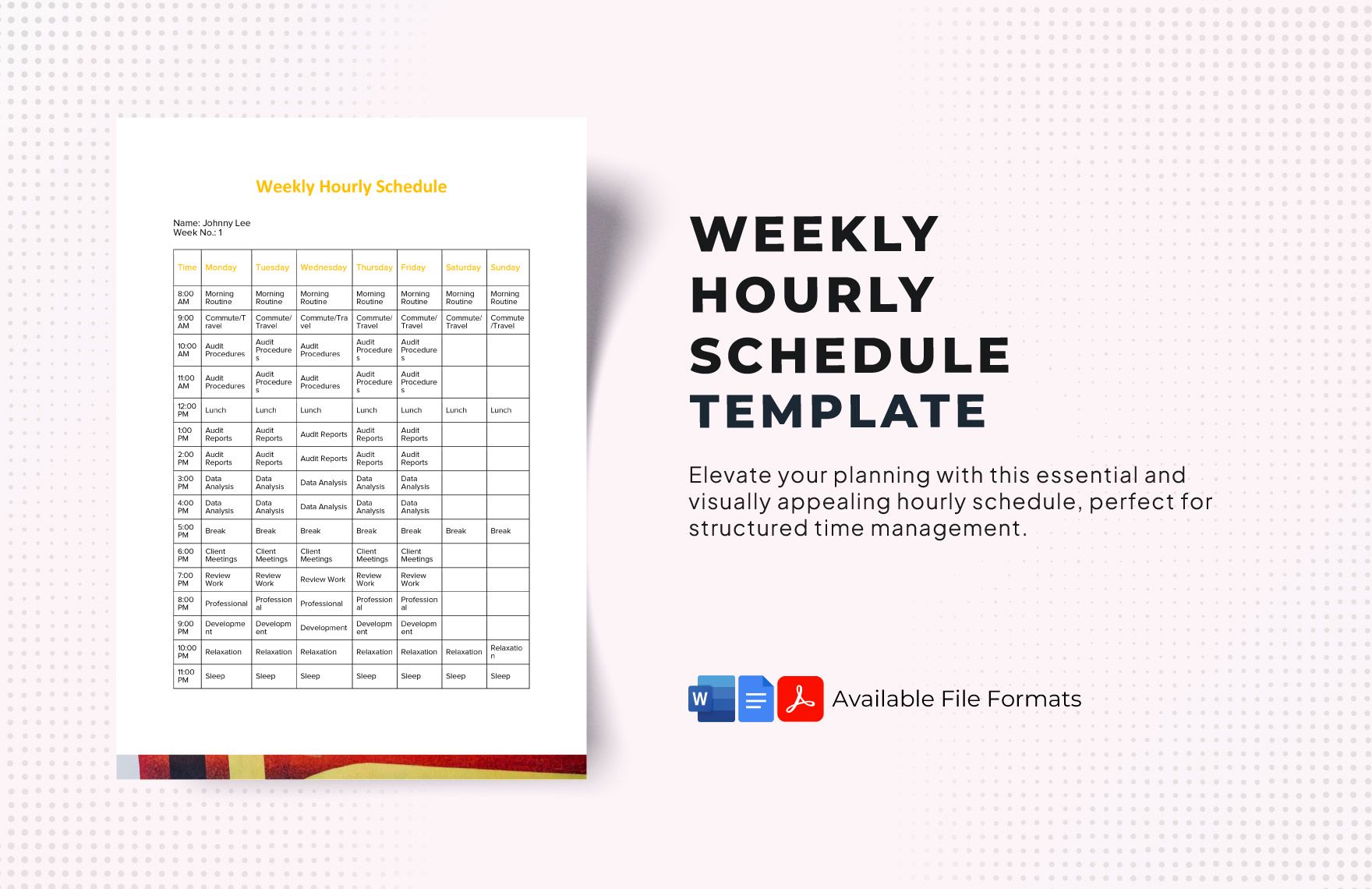
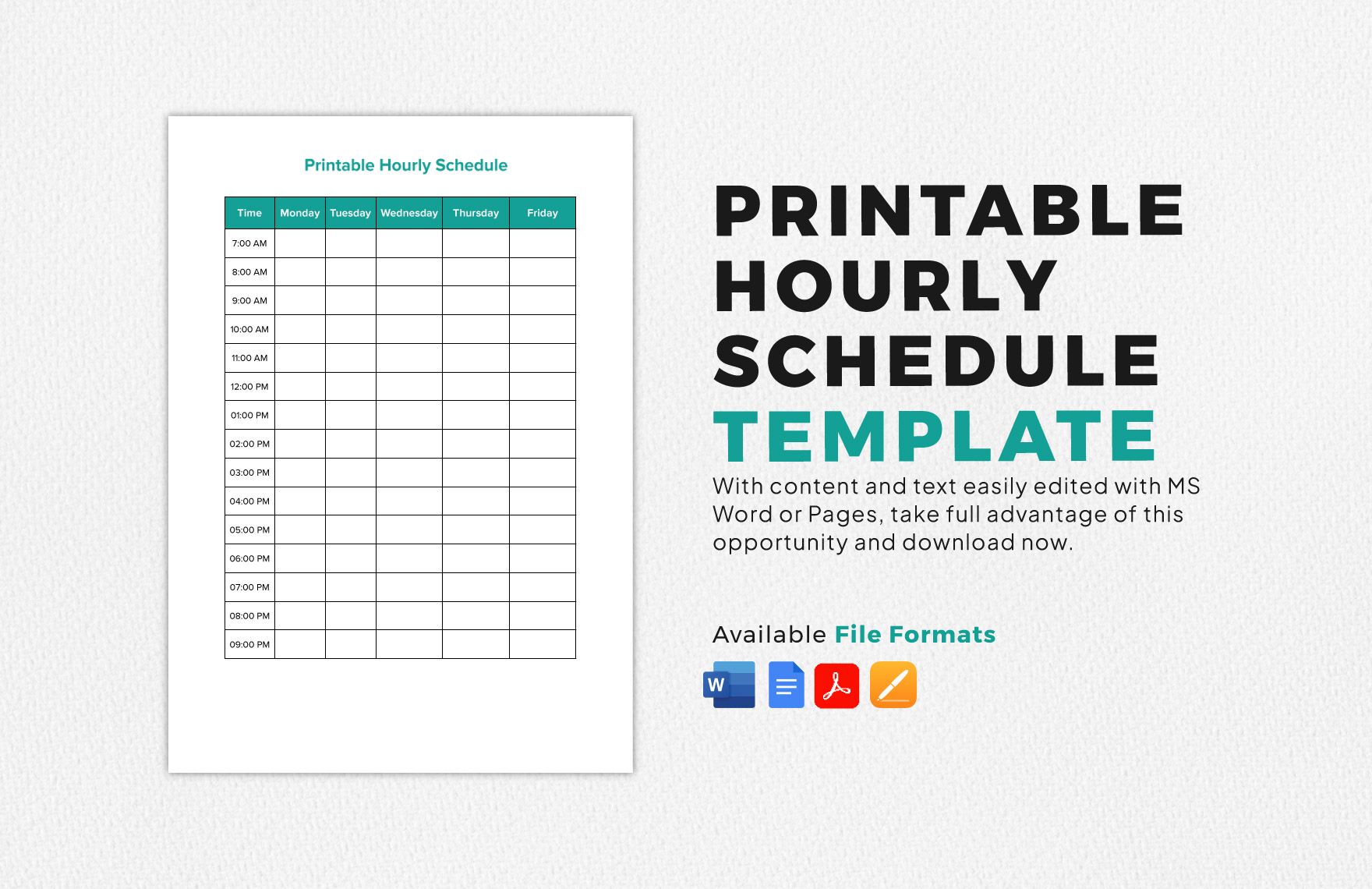
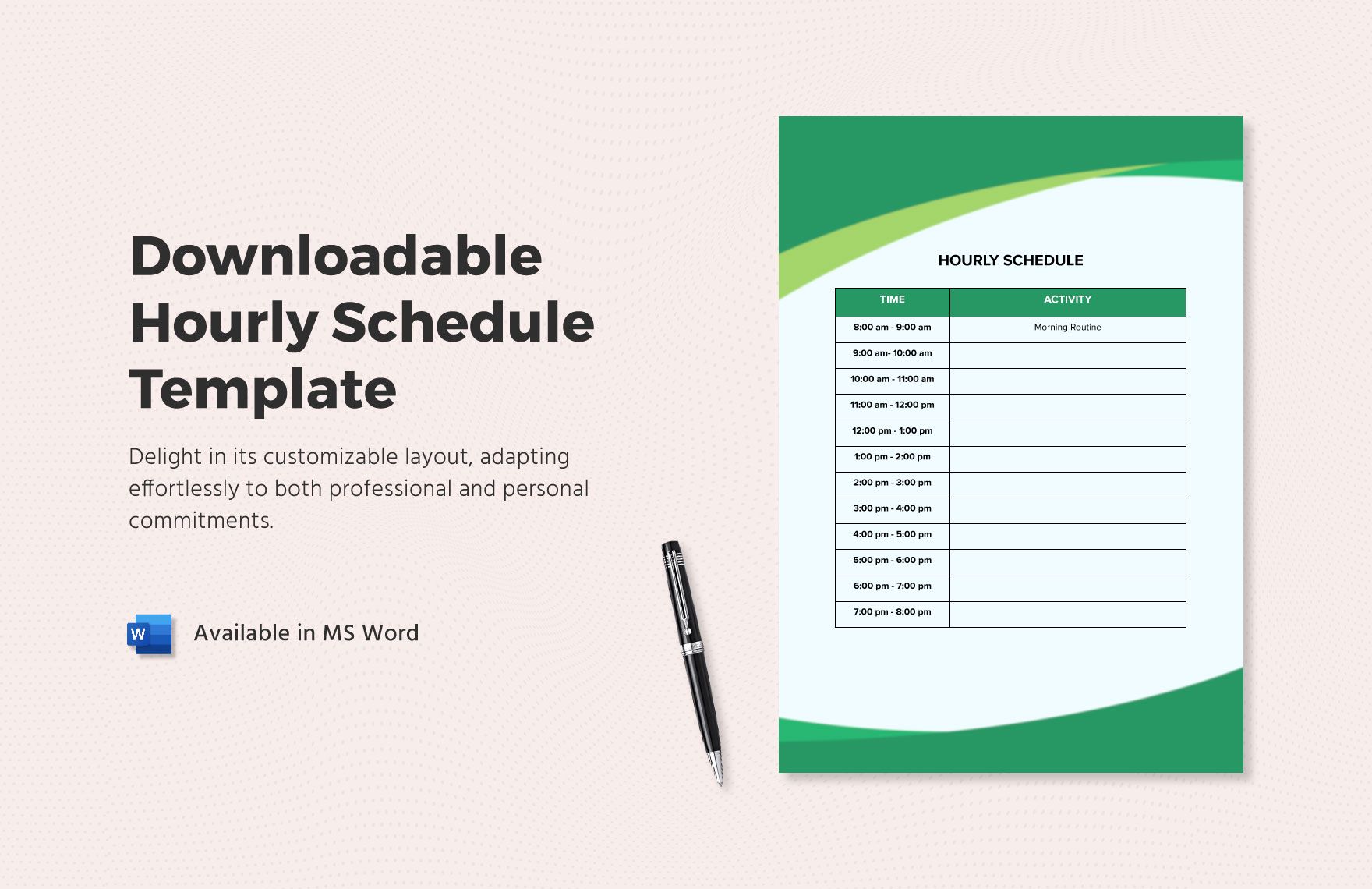
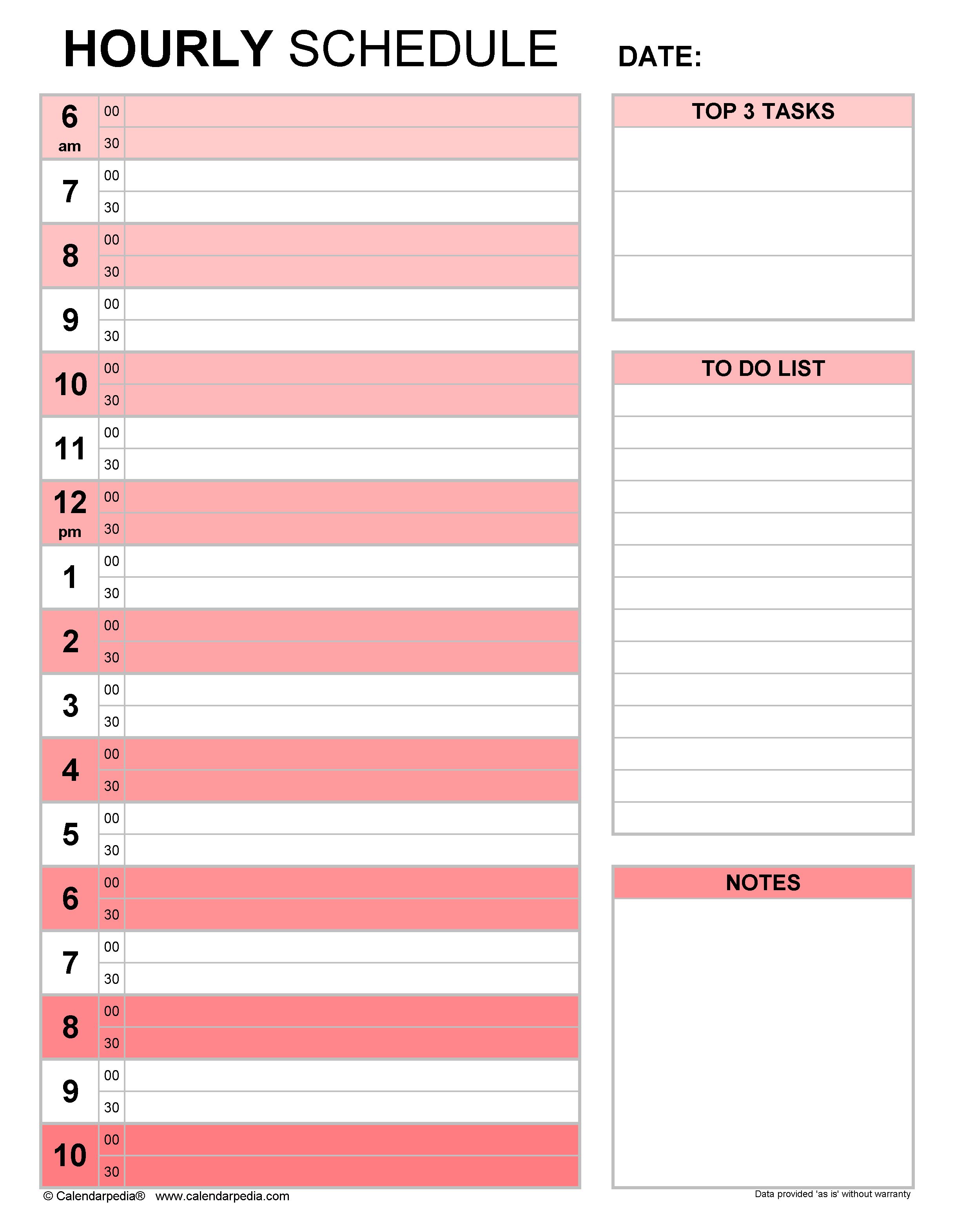
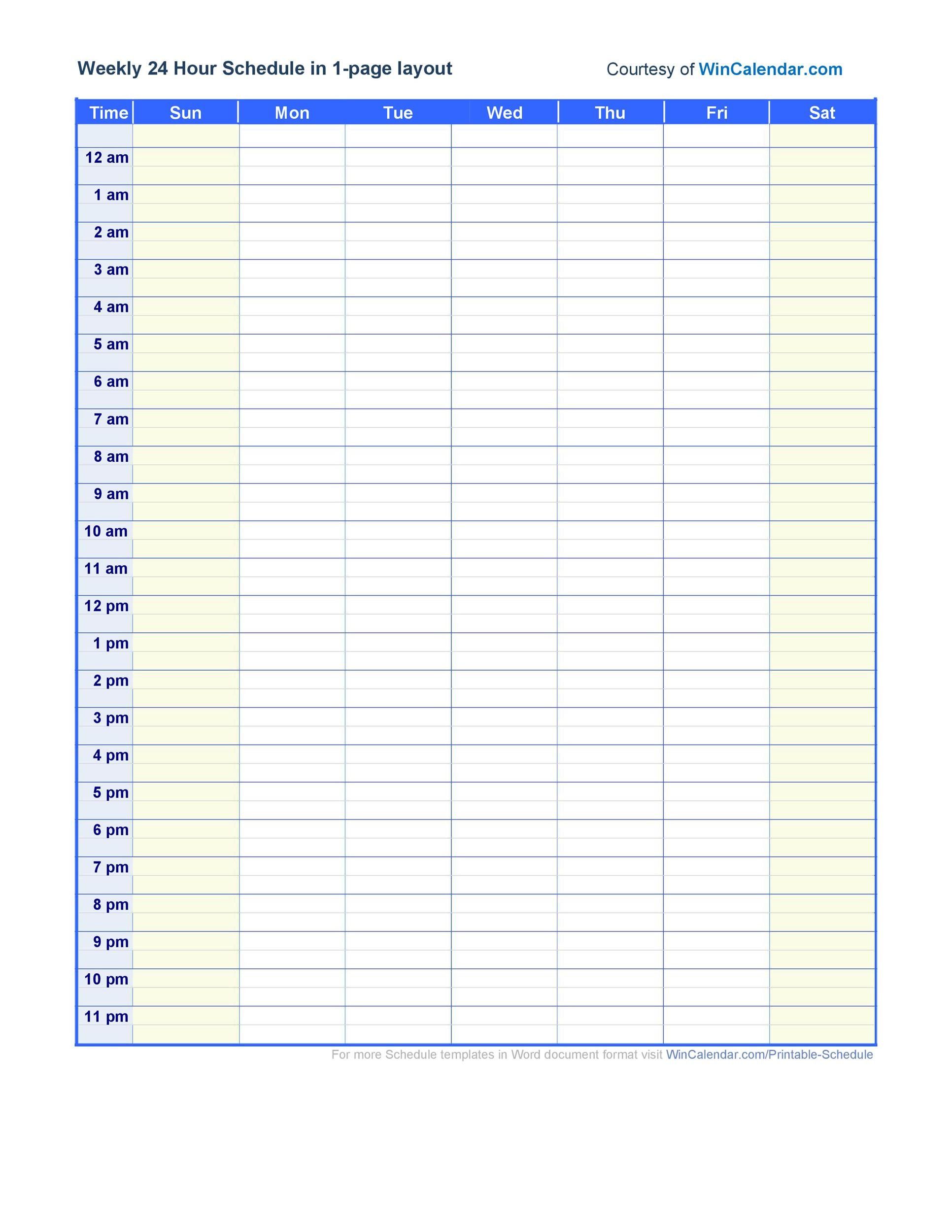
Example Template Layout
| Time | Task | Notes |
|---|---|---|
| 9:00 AM - 9:30 AM | Check Emails | Reply to urgent messages |
| 9:30 AM - 10:30 AM | Project Planning | Review deadlines |
| 10:30 AM - 10:45 AM | Break | Stretch or walk |
Common Mistakes to Avoid
When I first started using hourly schedules, I made a few mistakes. One was overloading my day with tasks, leaving no room for breaks. Another was being too rigid—life happens, and schedules need to adapt. Here’s a pro tip: don’t fill every minute. Leave at least 10% of your day unscheduled for unexpected tasks or downtime.
📌 Note: Avoid over-planning. A schedule should guide you, not control you.
How to Customize Your Template
Word’s tools make customization easy. I use tables for structure and conditional formatting for visual cues. For example, I highlight tasks that take longer than an hour in yellow to remind myself to take breaks. If you’re new to Word, start with a simple table and gradually add features as you get comfortable.
Here’s the thing: the goal isn’t to follow your schedule to the minute but to create a framework that keeps you focused. I’ve found that even on days when I stray from the plan, having a template helps me realign quickly.
Finally, remember that your schedule is a tool, not a rulebook. Experiment with different formats, and don’t be afraid to tweak it until it fits your rhythm. Start with a basic hourly schedule template in Word, and let it evolve with your needs. Your productivity will thank you.
Related Terms:
- free printable hourly schedule template
- blank hourly schedule printable
- office hours template word free
- free hourly schedule template excel
- hourly schedule templates printable
- 24 hour schedule template word