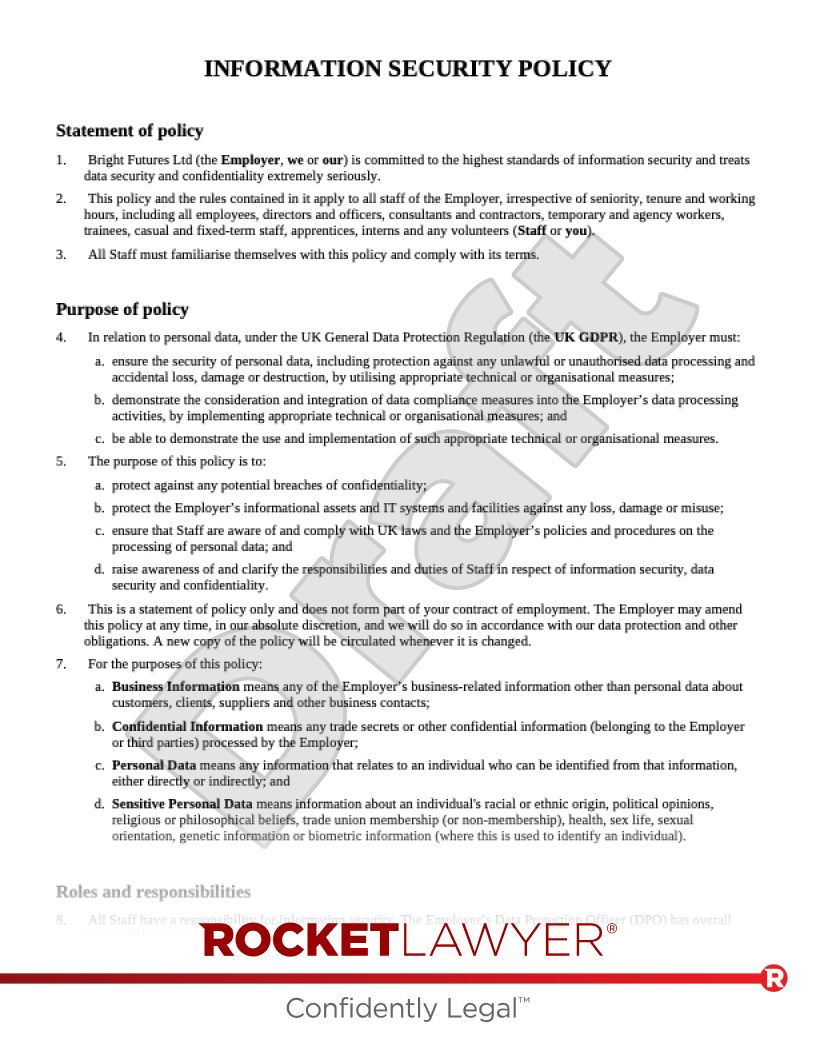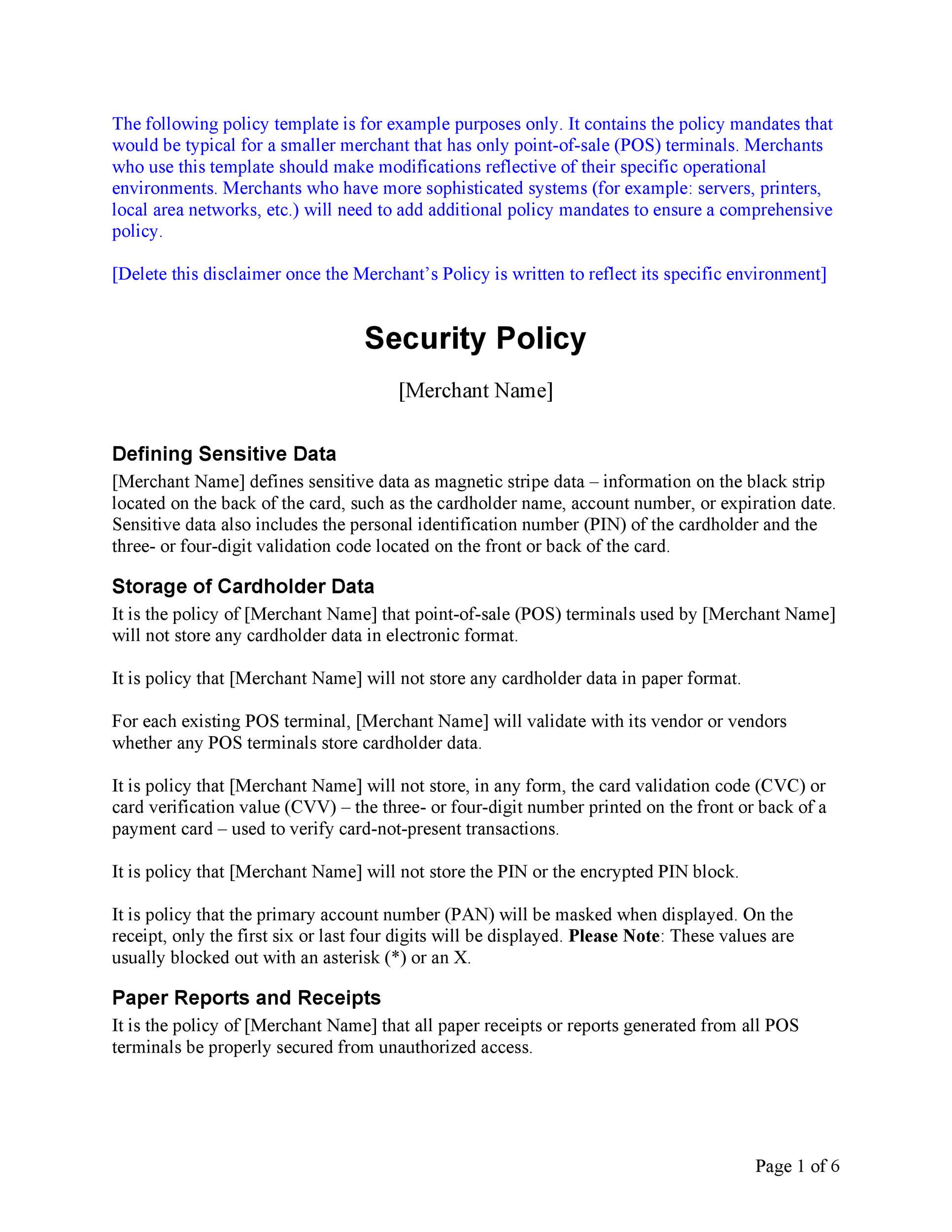
I’ve seen firsthand how a poorly structured information security policy can leave organizations vulnerable. Last year, a mid-sized tech company I consulted with faced a data breach because their policy was outdated and lacked clear guidelines on remote access. That’s when I realized the importance of a well-crafted Information Security Policy Template. It’s not just a document; it’s the backbone of your organization’s defense against cyber threats. Without it, you’re essentially leaving the door open for attackers.
Why a Template Matters
Creating an information security policy from scratch is time-consuming and error-prone. I’ve spent hours drafting policies only to discover gaps in coverage later. A template, however, provides a structured framework that ensures all critical areas are addressed. For instance, ISO 27001, a widely recognized standard, offers guidelines that can be adapted into a template. This saves time and ensures compliance with industry best practices.
Key Components of an Effective Template
A good Information Security Policy Template should cover several core areas. Here’s what I’ve found essential:
- Scope and Purpose: Clearly define what the policy covers and its objectives.
- Roles and Responsibilities: Assign accountability to ensure everyone knows their part.
- Data Classification: Categorize data based on sensitivity (e.g., public, internal, confidential).
- Access Control: Outline rules for granting and revoking access to systems and data.
- Incident Response: Provide a step-by-step process for handling security breaches.
Real-World Example
During a recent project, I helped a financial firm implement a template that included a detailed incident response plan. When they faced a phishing attack, the team followed the predefined steps, minimizing damage and downtime. Without that structure, the situation could have spiraled out of control.
Customizing Your Template
While templates provide a solid foundation, they’re not one-size-fits-all. I’ve learned that customization is key. For example, a healthcare organization will have different compliance requirements (like HIPAA) compared to a retail business. Here’s how I approach customization:
- Identify industry-specific regulations and standards.
- Assess unique risks and threats to your organization.
- Tailor the template to align with your operational needs.
Common Pitfalls to Avoid
Even with a template, mistakes can happen. Here’s what I’ve seen go wrong:
| Pitfall | Impact |
|---|---|
| Overcomplicating the Policy | Employees ignore it due to complexity. |
| Failing to Update Regularly | Policies become irrelevant as threats evolve. |
| Lack of Training | Staff are unaware of their responsibilities. |
📌 Note: Regularly review and update your policy at least annually or after significant changes in your organization or threat landscape.
Here’s the thing: a Information Security Policy Template isn’t just a checkbox for compliance. It’s a living document that evolves with your organization. I’ve seen companies transform their security posture simply by treating their policy as a priority, not an afterthought. Start with a template, but don’t stop there—make it your own, and ensure it’s understood and followed by everyone in your organization.
Related Terms:
- information security policy template pdf
- written information security policy example
- information security policy sample pdf
- information security policy example pdf
- information security policy document pdf
- information security policy sample