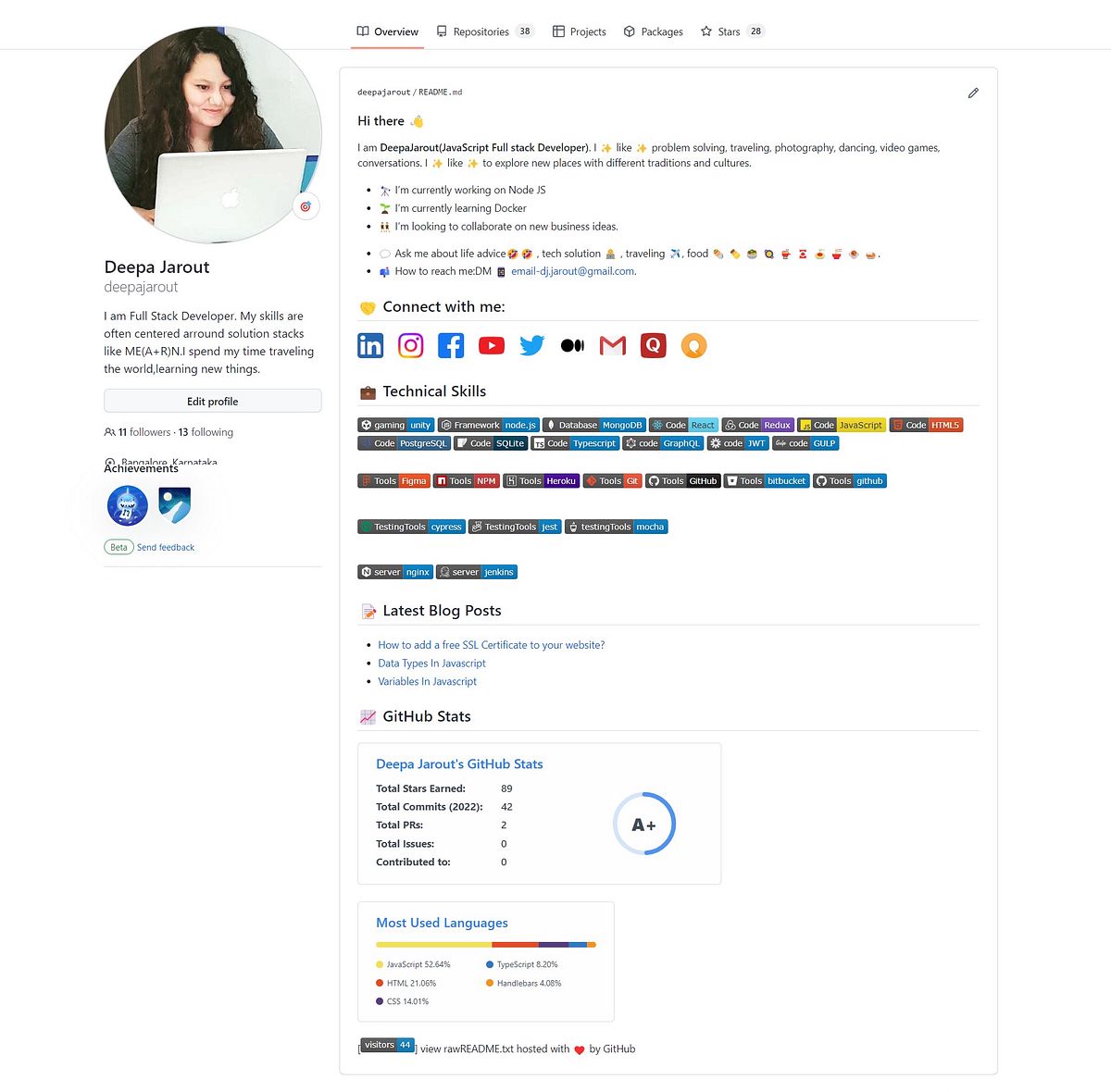
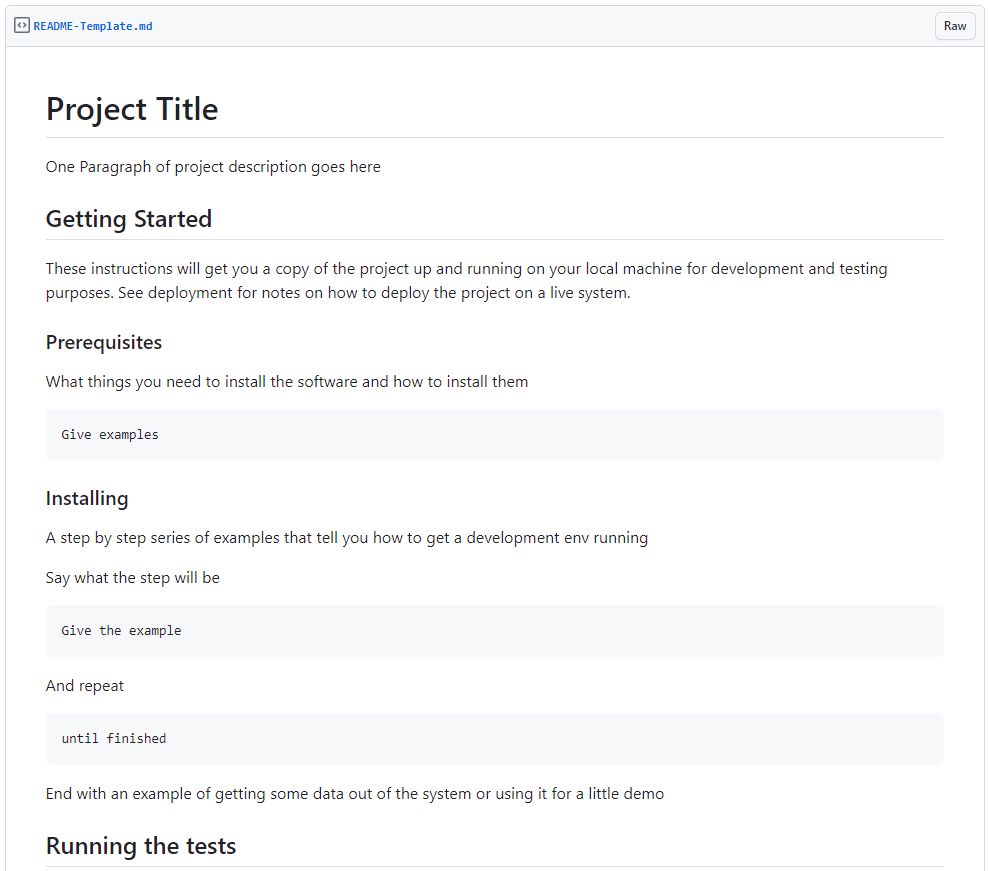
If you’ve ever spent hours crafting a README file from scratch, you know the struggle. It’s not just about listing features—it’s about clarity, structure, and making sure your project doesn’t end up as a confusing mess for users. That’s where a Readme Template Txt comes in. I’ve used these templates across multiple projects, from open-source libraries to internal tools, and they’ve saved me countless hours. A well-structured README isn’t just a formality; it’s the first point of contact for anyone interacting with your work. In this post, I’ll share why these templates matter, how to choose the right one, and practical tips for customizing them to fit your needs.
Why a Readme Template Txt Matters
Let’s face it: most developers hate writing documentation. But a README is non-negotiable. It’s the difference between someone understanding your project in minutes versus giving up after 10 seconds of confusion. A Readme Template Txt provides a framework that ensures consistency. For example, GitHub’s default template includes sections like “Installation,” “Usage,” and “License”—essential for any project. Without a template, you might forget critical details, like how to handle dependencies or report issues. I once skipped mentioning a required Python version in a README, and it led to a week of troubleshooting for a user. Lesson learned: templates aren’t just shortcuts; they’re safeguards.
Choosing the Right Template
Not all templates are created equal. Some are overly verbose, while others are too barebones. I’ve found that the best Readme Template Txt balances detail and brevity. For instance, the README.md template from the Make a README project is great for open-source projects, as it includes sections for contributions and code of conduct. For private repositories, a simpler template with installation steps and API documentation might suffice. Consider your audience: are they developers, end-users, or both? A template tailored to their needs will always outperform a generic one.
Key Features to Look For
When evaluating templates, focus on these elements:
- Clear Structure: Sections should flow logically, from introduction to troubleshooting.
- Placeholder Text: Prompts like “[Describe your project here]” make customization easier.
- Badge Support: Integration for CI/CD badges, license badges, or code coverage metrics.
- Example Commands: Pre-formatted code blocks for installation or usage reduce user errors.
Customizing Your Template
A template is a starting point, not a final product. I’ve seen developers copy-paste templates without tailoring them, which defeats the purpose. For example, if your project uses Docker, add a “Docker Setup” section. If it’s a library, include code snippets demonstrating core functionality. Here’s a table comparing customization efforts for different project types:
| Project Type | Customization Effort | Key Additions |
|---|---|---|
| Open-Source Library | Medium | Contribution guidelines, API docs |
| Internal Tool | Low | Team-specific setup instructions |
| Web Application | High | Deployment steps, environment variables |
Pro tip: Use variables in your template (e.g., `$PROJECT_NAME`) to streamline updates across multiple projects. This is especially useful if you manage several repositories with similar structures.
Common Mistakes to Avoid
Even with a template, mistakes happen. One common error is overloading the README with technical jargon. Remember, not everyone reading it will be an expert. Another pitfall is neglecting updates. I once maintained a project where the README hadn’t been updated in months, leading to outdated installation commands. Regularly review your README, especially after major releases.
⚠️ Note: Always test the commands in your README. A single typo can frustrate users and damage your project’s credibility.
Here’s the thing: a Readme Template Txt isn’t just about saving time—it’s about setting your project up for success. Whether you’re building a small script or a large-scale application, a well-crafted README ensures your work is accessible and usable. Start with a template, customize it thoughtfully, and update it regularly. Your future self—and your users—will thank you.
Related Terms:
- simple readme template
- sample readme file
- template readme github
- read me file template
- readme md template
- read me examples